
 Udeliť
  中文简体
中文简体


Vždy by ste mali restovať paradajkový pretlak pred pridaním tekutín, pretože varenie v horúcom oleji alebo tuku spúšťa Maillardovu reakciu, dramaticky prehlbuje jej chuť z ostrej a kyslej na bohatú, sladkú a komplexnú – premení obyčajné jedlo na niečo výnimočné. Tento jediný krok, často prehliadaný, je jednou z najúčinnejších techník v profesionálnom varení.
Čo sa stane, keď restujete paradajkový pretlak?
Dusenie paradajkovej pasty aktivuje chemické reakcie, ktoré surová pasta jednoducho nedokáže dosiahnuť. Keď paradajková pasta narazí na horúcu panvicu s olejom, súčasne nastanú tri kľúčové transformácie:
- Maillardova reakcia: Aminokyseliny a cukry v paste reagujú za tepla a vytvárajú stovky nových chuťových zlúčenín – rovnaký proces, ktorý dodáva opečenému mäsu a toastovému chlebu ich neodolateľnú vôňu.
- Karamelizácia: Prírodné cukry v paradajkách začnú hnednúť a vytvárajú horkosladkú hĺbku, ktorá vyrovnáva kyslosť.
- Odparovanie prchavých kyselín: Teplo vyženie ostré, surovo zapáchajúce prchavé zlúčeniny, ako sú určité molekuly na báze síry, zanechávajúc za sebou zaoblenejšiu, jemnejšiu paradajkovú príchuť.
Výskum v potravinárskej chémii potvrdzuje, že varenie paradajkových produktov koncentruje biologickú dostupnosť lykopénu a vytvára nové aromatické zlúčeniny, ktoré sa nenachádzajú v surových alebo krátko varených paradajkách. Štúdia publikovaná v Journal of Agricultural and Food Chemistry poznamenal, že tepelne spracované paradajkové produkty obsahujú výrazne vyššie koncentrácie molekúl chuti rozpustných v tukoch v porovnaní s ich čerstvými náprotivkami – a preto je kombinácia oleja a tepla taká kritická.
Veda za restovaním paradajkovej pasty
Tajomstvo spočíva v aromatických zlúčeninách rozpustných v tukoch, ktoré sa uvoľňujú iba pri varení paradajkového pretlaku v oleji. Paradajky obsahujú celý rad karotenoidov a aromatických esterov, ktoré nie sú rozpustné vo vode – čo znamená, že sa jednoducho nerozpustia vo vašom vývare alebo omáčke, ak pastu pridáte priamo do tekutiny. Tým, že najskôr restujete na tuku:
Tuk ako nosič chuti
Tuk je najdôležitejším prostriedkom na distribúciu arómy paradajkového pretlaku vo vašom jedle. Molekuly ako lykopén, betakarotén a rôzne terpény sú lipofilné – viažu sa s tukom, nie s vodou. Keď dusíte paradajkovú pastu v olivovom oleji, masle alebo tavenom tuku, tieto molekuly sa rozpustia v tuku a rovnomerne sa rozložia vo vašom konečnom pokrme. Preskočte tuk a väčšina tohto chuťového potenciálu zostane uzamknutá vo vnútri pasty.
Maillardova reakcia na molekulárnej úrovni
Maillardova reakcia začína pri približne 280 °F (140 °C) – teplote, ktorú je možné dosiahnuť iba na suchej, horúcej panvici, nikdy nie vo vriacej kvapaline. Keďže voda vrie pri 100 °C, žiadna paradajková pasta ponorená do tekutiny nemôže nikdy prekročiť túto teplotu. To znamená, že komplexné reakcie zhnednutia a vývoja chuti doslova nemôžu nastať po pridaní tekutiny. Pastu musíte najskôr opražiť suchým teplom, kým sa do panvice dostane vlhkosť.
Dusená vs. nepražená paradajková pasta: porovnanie vedľa seba
| Atribút | Dusená paradajková pasta | Nepražená paradajková pasta |
|---|---|---|
| Chuťový profil | Bohaté, sladké, hlboko pikantné, umami vpred | Plechové, ostré, kyslé, jednorozmerné |
| Farba | Sýta tehlovočervená až tmavohnedá | Svetlé, bledo červeno-oranžové |
| Aróma | Toastové, komplexné, pražené | Ploché, mierne kovové |
| Kyslosť | Jemný a vyrovnaný | Výrazné a niekedy aj drsné |
| Integrácia riadu | Bezproblémovo sa mieša s ostatnými ingredienciami | Môže chutiť ako samostatná vrstva alebo dodatočný nápad |
| Intenzita umami | Vysoká — glutamáty aktivované teplom | Mierne — glutamáty z veľkej časti neuvoľnené |
| Požadovaný čas | 1-3 minúty navyše | Žiadne (priamo pridaná pasta) |
Ako správne dusiť paradajkovú pastu: Sprievodca krok za krokom
Správne restovanie paradajkového pretlaku trvá len 1–3 minúty a vyžaduje si iba rozpálenú panvicu, tuk a pozornosť. Pre maximálny rozvoj chuti dodržujte tieto kroky:
Krok 1: Vyberte si správny tuk
Použite tuk s vysokým bodom zadymenia a doplnkovou chuťou. Extra panenský olivový olej skvele sa hodí k talianskym a stredomorským jedlám. Maslo alebo ghee dodáva bohatosť duseným a duseným pokrmom. Vyškvarený tuk alebo masť zo slaniny je výnimočný pre výdatné mäsové omáčky. Na 2 polievkové lyžice paradajkového pretlaku použite približne 1–2 polievkové lyžice tuku.
Krok 2: Najskôr zohrejte panvicu
Správne zohriata panvica je nevyhnutná – paradajková pasta pridaná na studenú panvicu sa skôr zaparí, než opečie. Panvicu zohrejte na strednú až stredne vysokú teplotu, kým sa tuk nezačne trblietať (na oleji) alebo kým pena neklesne (na masle). To zaisťuje, že máte dostatočnú teplotu na spustenie Maillardovej reakcie od okamihu, keď pasta dopadne na povrch.
Krok 3: Pridajte pastu a neustále miešajte
Pastu rozotrite v tenkej vrstve a často miešajte, aby sa nespálila – cieľom je zhnednúť, nie sčernieť. Keď sa pasta varí, uvidíte, ako sa farba prehĺbi z červenej na tmavú tehlovočervenú a budete cítiť bohatú, toastovú vôňu. Táto fáza zvyčajne trvá 1-3 minúty. Dávajte pozor, aby sa pasta začala mierne lepiť na dno panvice – tie prilepené kúsky (fond) sú plné chuti.
Krok 4: Okamžite odglazujte
Keď pasta zhnedne, okamžite pridajte tekutinu, aby sa odglazovala a zachytila každý kúsok chuti z panvice. Zalejte vínom, vývarom, vodou alebo drvenými paradajkami a drevenou vareškou zo spodku zoškrabte všetky skaramelizované kúsky. Toto je vaša zlatá chuť – nenechajte ich premrhať.
Najlepšie jedlá, ktoré profitujú z dusenej paradajkovej pasty
| Miska | Odporúčaný tuk | Kvapalina pridaná po | Príchuť Benefit |
|---|---|---|---|
| Boloňská omáčka | Maslo olivového oleja | Mlieko z červeného vína | Hlboká chrbtica umami |
| Francúzska cibuľová polievka | Maslo | Hovädzí vývar | Bohatá farba, pikantná hĺbka |
| Shakshuka | Olivový olej | Drvené paradajky | Vyvážená kyslosť, sladkosť |
| Hovädzí guláš | Vyškvarený hovädzí tuk | Zásoba červeného vína | Pečená, mäsitá zložitosť |
| Minestrone | Olivový olej | Zeleninový vývar | Sladší, súdržnejší základ |
| čili | Bravčová masť alebo neutrálny olej | Pivný hovädzí vývar | Zadymená, tmavá hĺbka |
Bežné chyby pri restovaní paradajkového pretlaku (a ako sa im vyhnúť)
Dokonca aj skúsení kuchári robia chyby, ktorým sa dá vyhnúť, keď restujú paradajkovú pastu, ktorá ich stojí chuť. Tu sú najčastejšie úskalia:
- Použitie príliš malého množstva tuku: Nedostatok oleja znamená, že pasta sa namiesto zhnednutia zaparí. Na 2 polievkové lyžice pasty použite aspoň 1 polievkovú lyžicu tuku.
- Varenie na príliš nízkej teplote: Nízka teplota vytvára vlhkosť a zabraňuje zhnednutiu. Použite stredné až stredne vysoké teplo.
- Nedostatočné miešanie: Paradajkový pretlak rýchlo horí. Miešajte každých 20–30 sekúnd, aby ste zabezpečili rovnomerné zhnednutie a zabránili pripáleniu.
- Príliš dlhé restovanie: Viac ako 3–4 minúty na vysokej teplote môže pasta zhorknúť. Dávajte pozor na hlbokú tehlovo červenú farbu ako pomôcku na pridanie tekutiny.
- Pridanie príliš veľkého množstva pasty naraz: Hrubá guľa pasty nezhnedne rovnomerne. Rozotrite ho na tenko po povrchu panvice, aby ste dosiahli maximálny kontakt s teplom.
- Preskočenie kroku odglazovania: Karamelizovaný fond prilepený na panvici je plný chuti. Vždy ihneď odlakujte tekutinou a dôkladne zoškrabte.
Zmení dusenie paradajkovej pasty jej nutričnú hodnotu?
Dusenie paradajkovej pasty v tuku v skutočnosti zvyšuje biologickú dostupnosť lykopénu, jeho najslávnejšieho antioxidantu. Lykopén je karotenoid rozpustný v tukoch – vaše telo ho absorbuje oveľa efektívnejšie, keď ho konzumujete spolu s tukom. Štúdie zistili, že biologická dostupnosť lykopénu z varených paradajkových produktov pripravených na oleji môže byť až 3-4 krát vyššia ako zo surových paradajok.
Navyše, krátky proces restovania významne neznehodnotí vitamíny ako vitamín C, pretože doba varenia je krátka (menej ako 3 minúty). Čistý nutričný efekt restovania je do značnej miery pozitívny: viac vstrebateľných antioxidantov a lepšie integrovaná dávka živín rozpustných v tukoch na porciu.
Profesionálne tipy pre príchuť paradajkovej pasty ďalšej úrovne
Profesionálni kuchári dôsledne používajú tieto techniky, aby z paradajkového pretlaku vyťažili maximum.
- Najprv pridajte aromatické látky: Pred pridaním paradajkovej pasty orestujte cibuľu, cesnak a korenie. Pasta pri zhnednutí naberie všetky tieto chute.
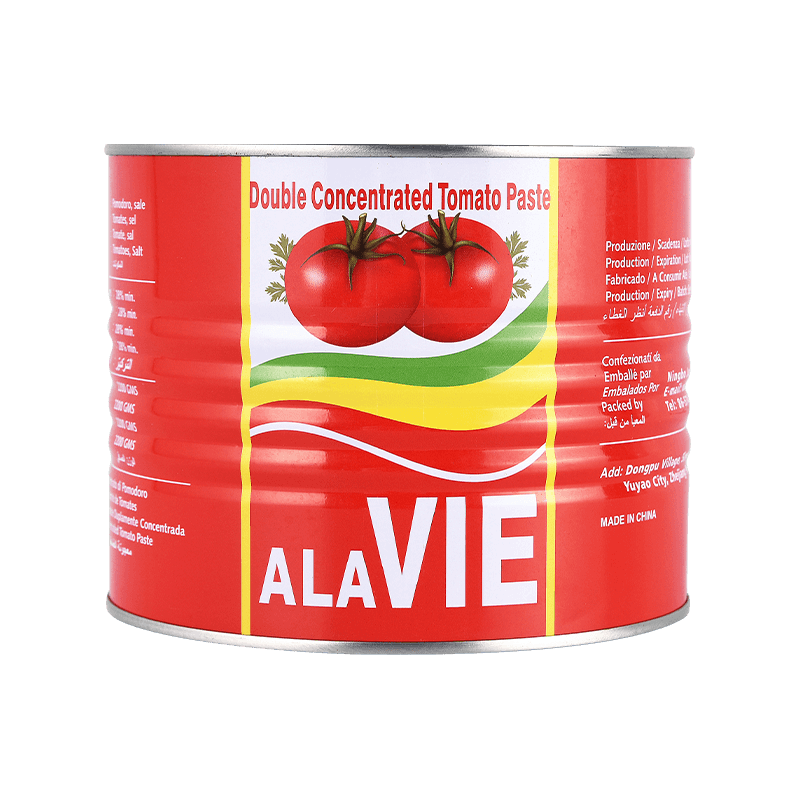
- Použite dvojnásobne koncentrovanú pastu: Dvojitá koncentrovaná paradajková pasta má dvojnásobnú chuť na polievkovú lyžicu – ideálna na varenie v malých dávkach, kde potrebujete maximálnu chuť bez nadmerného objemu.
- Pridajte štipku cukru: Ak má pasta po zhnednutí horkú chuť, štipka cukru alebo kvapka balzamikového octu pomôže obnoviť rovnováhu.
- Kombinujte s posilňovačmi umami: Dusenie paradajkovej pasty spolu s malým kúskom sardel, lyžičkou rybacej omáčky alebo štipkou sójovej omáčky exponenciálne znásobuje jej pikantnú hĺbku.
- Zmrazte zvyšky pasty po lyžičkách: Otvorené plechovky s paradajkovým pretlakom idú do odpadu. Zvyšky porciujte na pergamen, zmrazte a potom uložte do vrecka – pripravené na restovanie, kedykoľvek ich budete potrebovať.
Často kladené otázky (FAQ)
Otázka: Môžem dusiť paradajkový pretlak bez oleja – napríklad na suchej panvici?
Suchá panvica pastu zhnedne, ale bez tuku stratíte chuťové zlúčeniny rozpustné v tukoch a hladkú integráciu do pokrmu. Malé množstvo tuku sa dôrazne odporúča na chuťové aj kulinárske účely. Ak je problémom diétny tuk, dokonca aj mierna hmla spreja na varenie zlepšuje výsledky na úplne suchej panvici.
Otázka: Ako dlho by som mal restovať paradajkovú pastu?
1 až 3 minúty pri stredne vysokej teplote je tou najlepšou bodkou pre väčšinu aplikácií. Hľadáte zmenu farby z jasne červenej na tmavú tehlovočervenú, zmenu arómy z ostrej na toastovú a svetlo prichytené na dne panvice. Po 3–4 minútach sa riziko horkosti výrazne zvyšuje.
Otázka: Záleží na type panvice pri restovaní paradajkovej pasty?
Áno – ideálna je panvica z nehrdzavejúcej ocele alebo liatiny, pretože umožňuje rozvinutie plesne, zatiaľ čo nepriľnavá panvica zabraňuje zhnednutiu a tvorbe plesne. Nerezová oceľ vám poskytne najlepšie zhnednutie a najchutnejšiu chuť. Liatina dobre udržuje teplo a vytvára hlboko karamelizovanú kôru. Ak je to možné, vyhnite sa pri tomto kroku nepriľnavým povrchom.
Otázka: Môžem paradajkovú pastu vopred podusiť a uskladniť?
Áno – restovaná paradajková pasta môže byť v chladničke až 5 dní alebo zmrazená až 3 mesiace. Veľkú dávku orestujte na oleji, nechajte úplne vychladnúť a potom uložte do vzduchotesnej nádoby. Podľa potreby pridajte priamo do horúcich panvíc alebo omáčok – pri správnom skladovaní zostávajú chuťové zlúčeniny stabilné.
Otázka: Znižuje dusenie paradajkovej pasty jej kyslosť?
Áno – teplo prchá a vyháňa niektoré z ostrejších kyslých zlúčenín v paradajkovom pretlaku, čo vedie k výrazne jemnejšej a vyváženejšej chuti. Neodstraňuje však kyslosť úplne. Ak má vaše jedlo po restovaní stále príliš kyslú chuť, štipka sódy bikarbóny (¼ čajovej lyžičky na šálku omáčky) môže chemicky neutralizovať prebytočnú kyselinu bez výrazného ovplyvnenia chuti.
Otázka: Aký je rozdiel medzi paradajkovou pastou, paradajkovým pretlakom a paradajkovou omáčkou – a mali by byť všetky restované?
Paradajkový pretlak je najkoncentrovanejšia forma a najviac profituje z restovania; pyré a omáčka obsahujú viac vody a vyžadujú menej intenzívne zhnednutie. Paradajkový pretlak je uvarený na veľmi hustú koncentráciu (približne 8:1 pomer z čerstvých paradajok), zatiaľ čo pretlak je redší a omáčka je najtekutejšia. Pretože pasta má najmenší obsah vody, hnedne najefektívnejšie. Pyré môže byť zredukované na panvici pred pridaním iných tekutín, ale omáčka sa zvyčajne pridáva priamo, pretože je už tekutá.
Záver: Jeden malý krok, obrovská odmena za príchuť
Dusenie paradajkového pretlaku pred pridaním tekutín je jednou z techník s najvyššou návratnosťou investícií vo varení. Za investíciu kratšiu ako tri minúty a lyžicu oleja odomknete úplne inú dimenziu chuti – premenou potenciálne kyslého, plochého prvku na bohatú a komplexnú chrbticu skutočne nezabudnuteľného jedla.
Veda je jasná: Maillardova reakcia, karamelizácia a extrakcia aromatických zlúčenín sprostredkovaná tukom sa vyskytujú iba v prítomnosti suchého tepla a tuku. Varenie na vodnej báze pri alebo pod 212 °F jednoducho nemôže zopakovať tieto efekty. A veda o výžive to tiež podporuje – restovanie v tuku zvyšuje biologickú dostupnosť lykopénu, čo znamená, že na jedno sústo získate viac antioxidačných výhod.
Či už pripravujete týždennú omáčku na cestoviny, víkendový dusený vývar alebo komplexný dusený pokrm, čas na správne orestovanie paradajkového pretlaku pozdvihne každú lyžicu. Urobte si z toho zvyk, o ktorom sa nedá vyjednávať, a vaše varenie už nikdy nebude rovnaké.

 Č.
Č.  nbms@nbtomato.com
